
Thornton, CO
Garage Door Installation Built for Thornton's Housing Stock
Thornton homes built 1958-2010 carry original hardware sized for a different climate. See why installation here differs from a generic swap-out job.
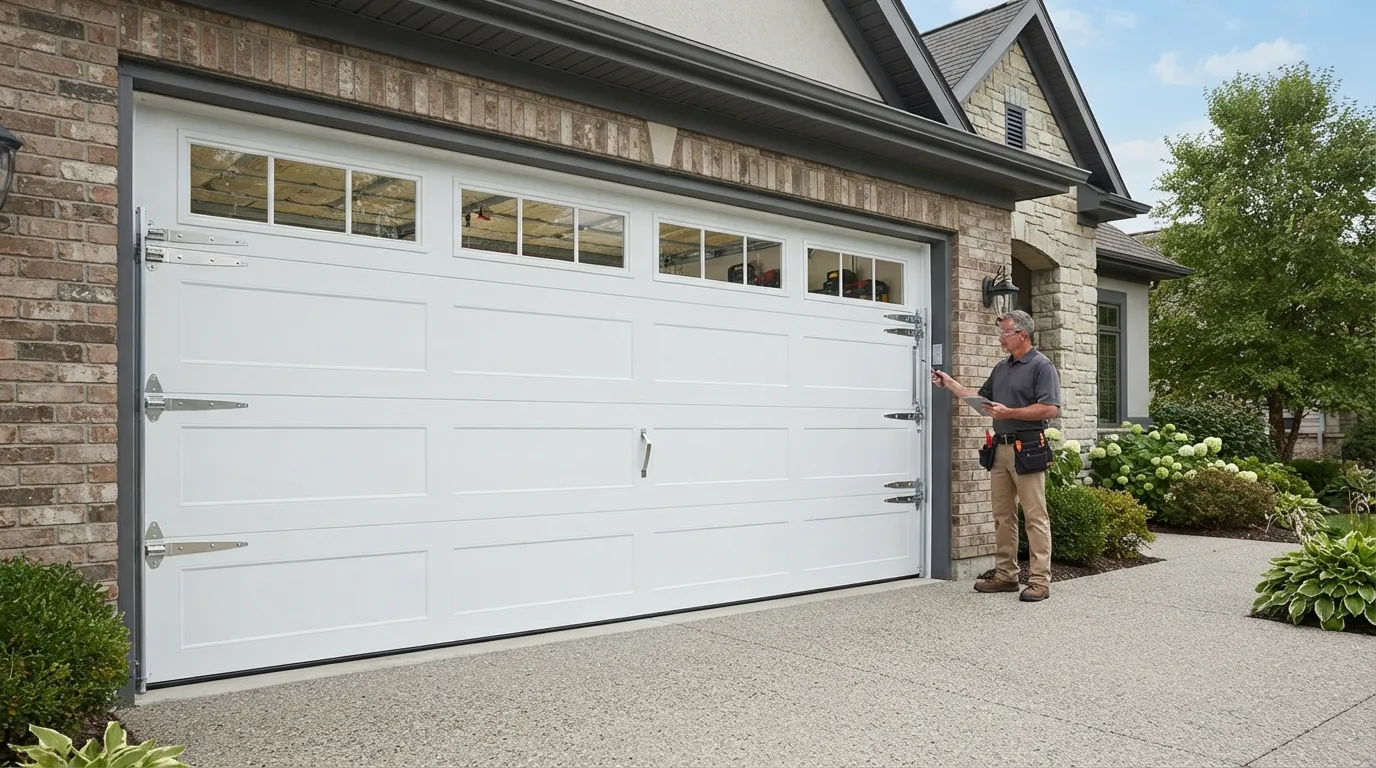
What we do
Garage door work in Thornton
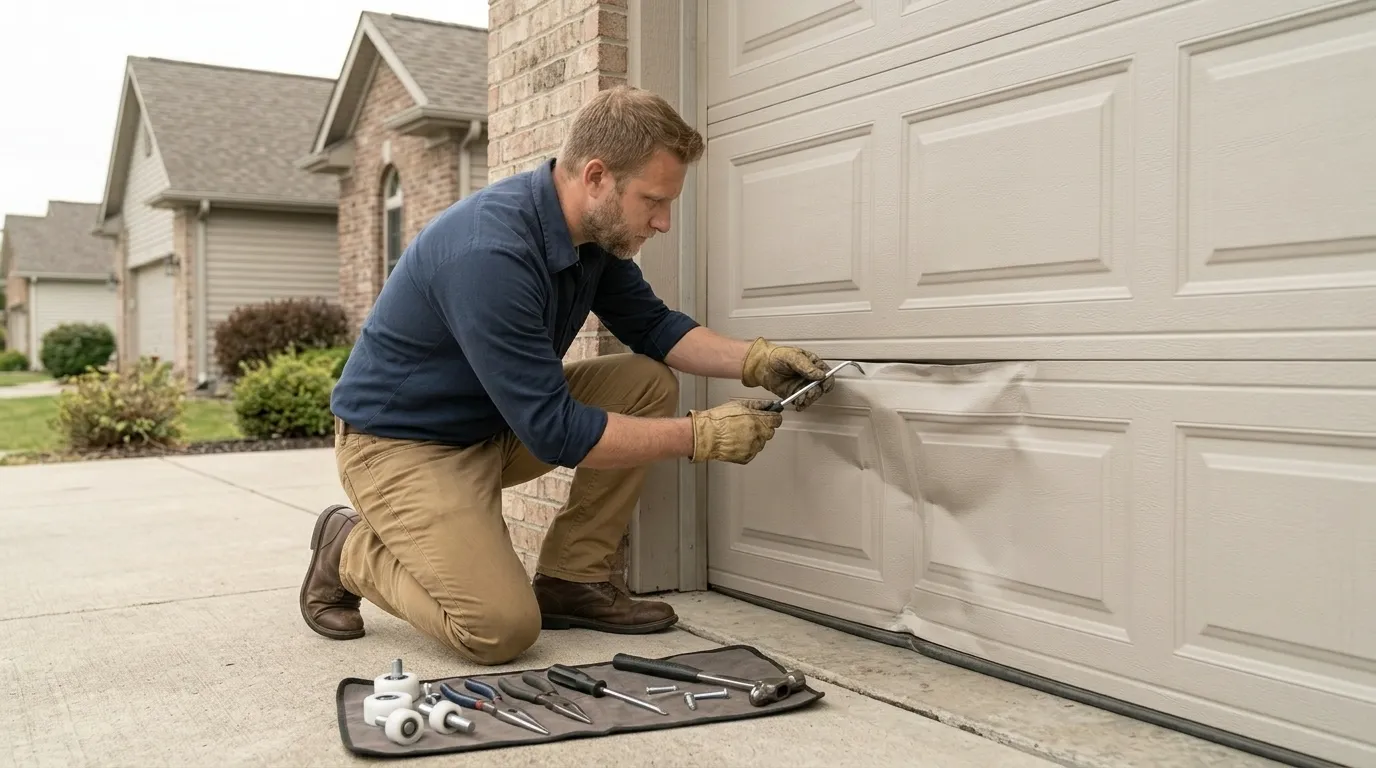
Garage Door Repair for Thornton's 1960s and 70s Housing Stock
Thornton homes built from the 1960s through the 1970s carry original torsion hardware that wasn't made for Colorado's cold swings. Learn more →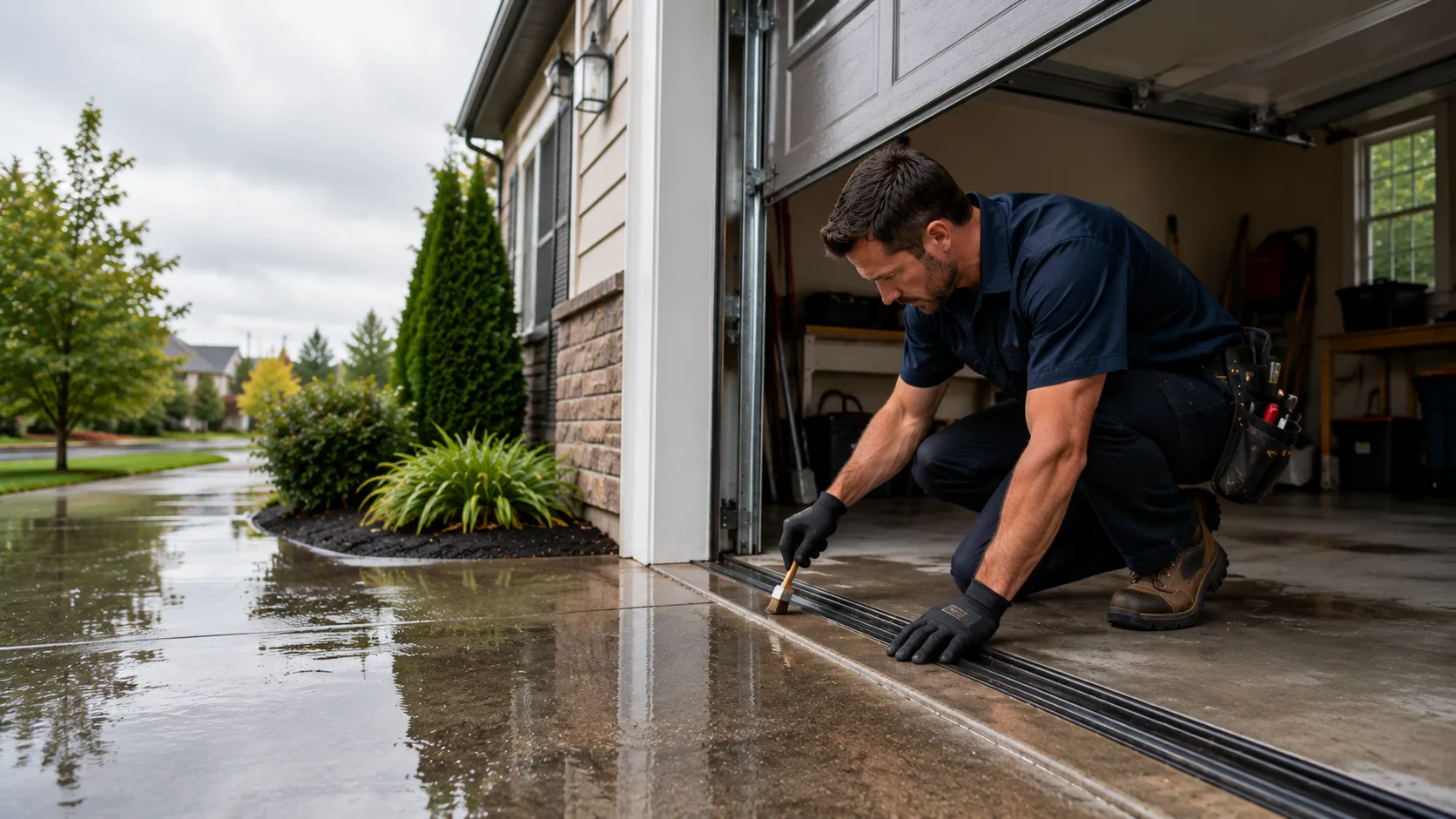
Garage Door Repair and Tune-Ups for Thornton Homes
Torsion springs and openers in Thornton's 1958-2010 housing stock take a beating from cold-severe winters. Learn more →Local detail
Why This Fails Locally
Most of Thornton went up between 1958 and 2010, with the median build year sitting around 1979 and the bulk of the stock dating to the 1960s and 70s across the 32 named areas that make up this side of the metro. That matters for installation because doors from that era were spec'd for a lighter build code and a milder assumption about winter loads than what the region actually delivers. Thornton sits in a cold, severe climate band, which means big daily temperature swings, hard freeze-thaw cycles, and wind-driven cold that a 1970s-spec door and its original track were never engineered to handle for fifty years straight. The panel might still look fine.
The steel gauge, the insulation value, and the track tolerances underneath it are not fine, and they show it every winter when the door binds, sags, or won't seal at the bottom. A straight one-for-one swap using today's stock hardware on a fifty-year-old opening often doesn't fit right, because framing settled and jambs shifted over that many decades. That's the piece a lot of installs miss, and it's the piece that determines whether the new door lasts five years or twenty-five.

The area
How It Shows Up
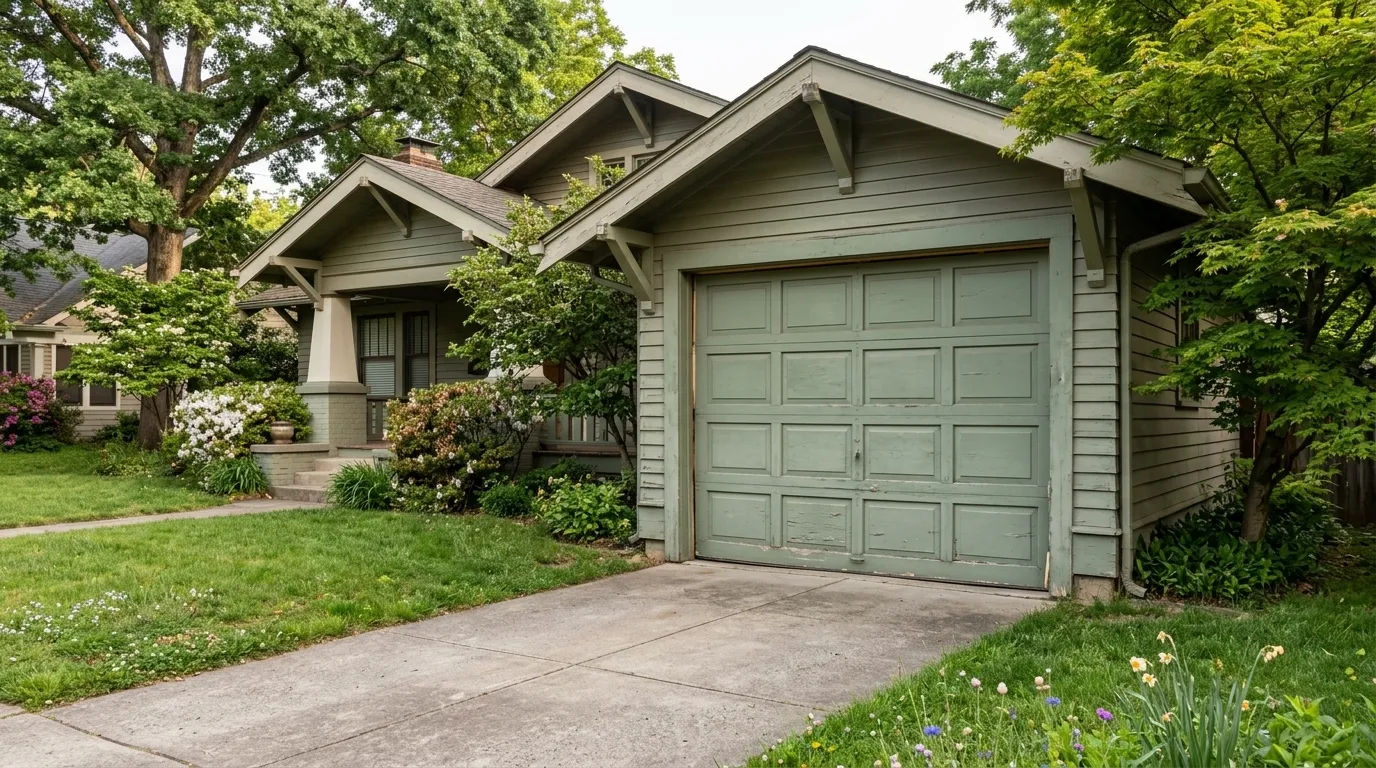
On older Thornton houses, the tell is usually a door that runs stiff on cold mornings and loosens up by afternoon as the metal expands, which points to a track or spring that's already fighting the temperature swing rather than absorbing it. On homes built later in the range, closer to the 1990s and 2000s, the more common issue is a builder-grade door that was fine for the code at the time but is thinner and less insulated than what cold-severe conditions call for now. Either way, the symptom set looks similar: daylight at the bottom seal, a door that feels heavier to lift in January than in July, or an opener straining and reversing on cold starts.
None of that is a mechanical failure exactly - it's a mismatch between what the door was built to handle and what fifty winters of freeze-thaw actually put it through. We won't tell you a spring adjustment fixes a door that's genuinely undersized for the opening; sometimes the honest answer is that the existing frame and door were never a great match to begin with, and patching it again just delays the same call.
What we find
What the Fix Involves
A proper installation starts with measuring the actual opening as it sits today, not as it was framed in 1979, because settling and past repairs mean the rough opening is rarely square anymore. From there it's matching door gauge and insulation to a cold-severe climate spec, setting new track plumb to the current frame, and sizing spring tension to the actual door weight rather than reusing old numbers.
On older housing stock this sometimes means new jamb brackets or minor framing correction before the door goes in at all - that's extra labor, and we'll tell you up front if your opening needs it rather than forcing a stock door into a frame that's out of true. One limitation worth naming: if the opening is badly out of square or the header's compromised, that's a carpentry problem first, and we'll say so instead of installing a door that won't seat right no matter how good the hardware is.
How we work
Getting It Booked In
With over 108,000 owner-occupied houses in this service area and a median household income of $93,818, most of the calls we get for full installation are homeowners replacing a door that's outlived the house's original build era rather than reacting to sudden storm damage. If you're near Eastlake, just a mile or so WNW, or over toward Northglenn about two miles out, the housing age runs the same range and the same cold-severe exposure applies, so the reasoning above holds across that stretch. Booking starts with a look at your actual opening and door age, not a phone quote based on door size alone, since two houses with identical dimensions built a decade apart can need entirely different specs.
Questions
Common questions
Why does my garage door bind up only in winter?
Cold-severe temperature swings shrink and stiffen metal track and hardware, and on a door built to an older code that tolerance gap is bigger. It's common on Thornton houses from the 1960s-70s stock, less so on newer builds, but even 1990s-2000s doors can bind if the insulation spec was thin to start with.
Do you install on older homes without reframing everything?
Often yes - most openings just need new track set plumb to the current frame. But if the jamb or header has shifted enough over the decades, that gets flagged before the door goes in, since forcing a stock door into an out-of-square opening just creates a callback later.
How do you size a new door for my house?
We measure the actual opening as it sits now, not the original spec, and match gauge and insulation to a cold-severe climate rating rather than whatever was standard when the house was built.
Ready when you are
Need a garage door sorted in Thornton?
Thornton Garage Door Pros repairs and installs garage doors, springs and openers in Thornton, CO and the surrounding area.