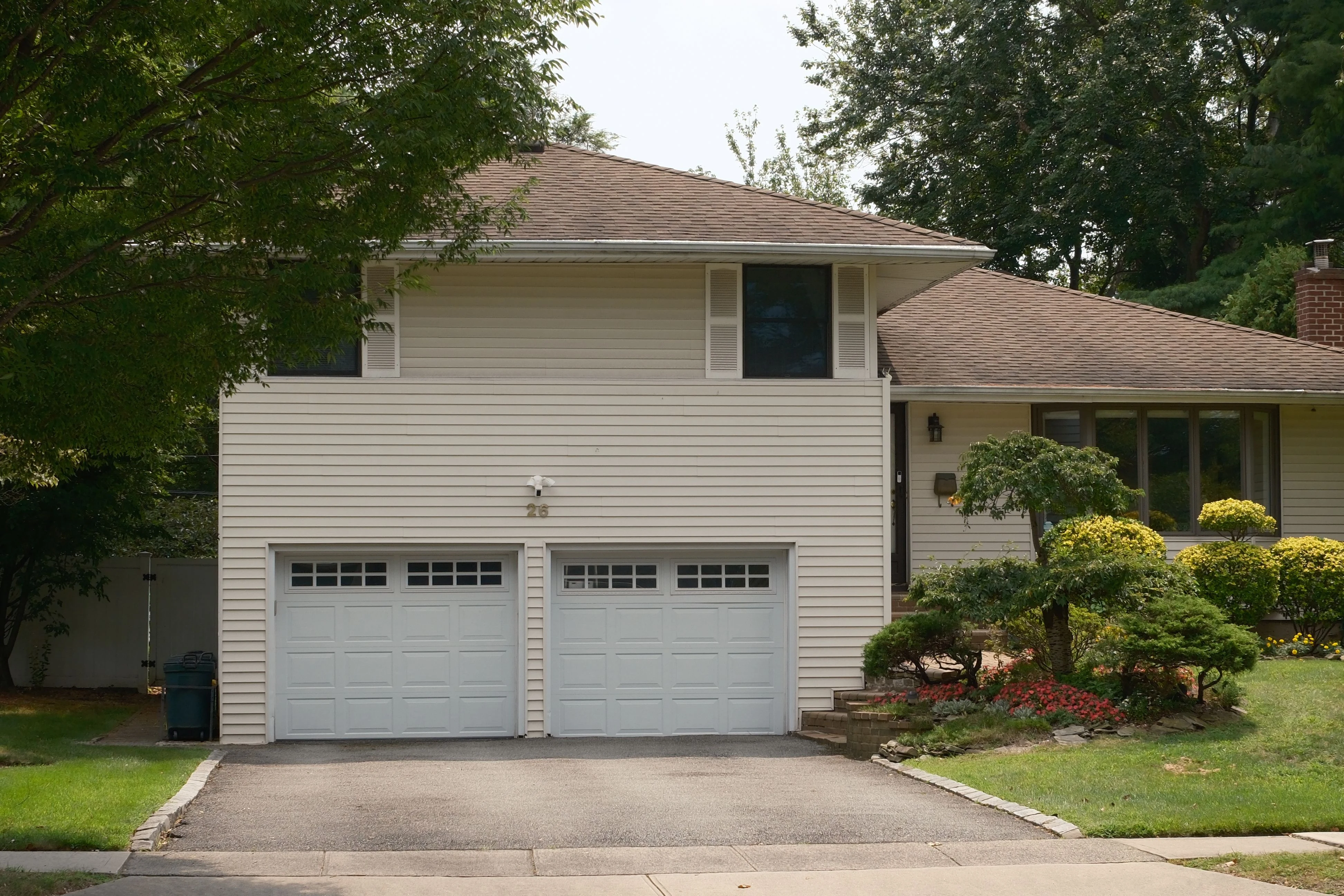
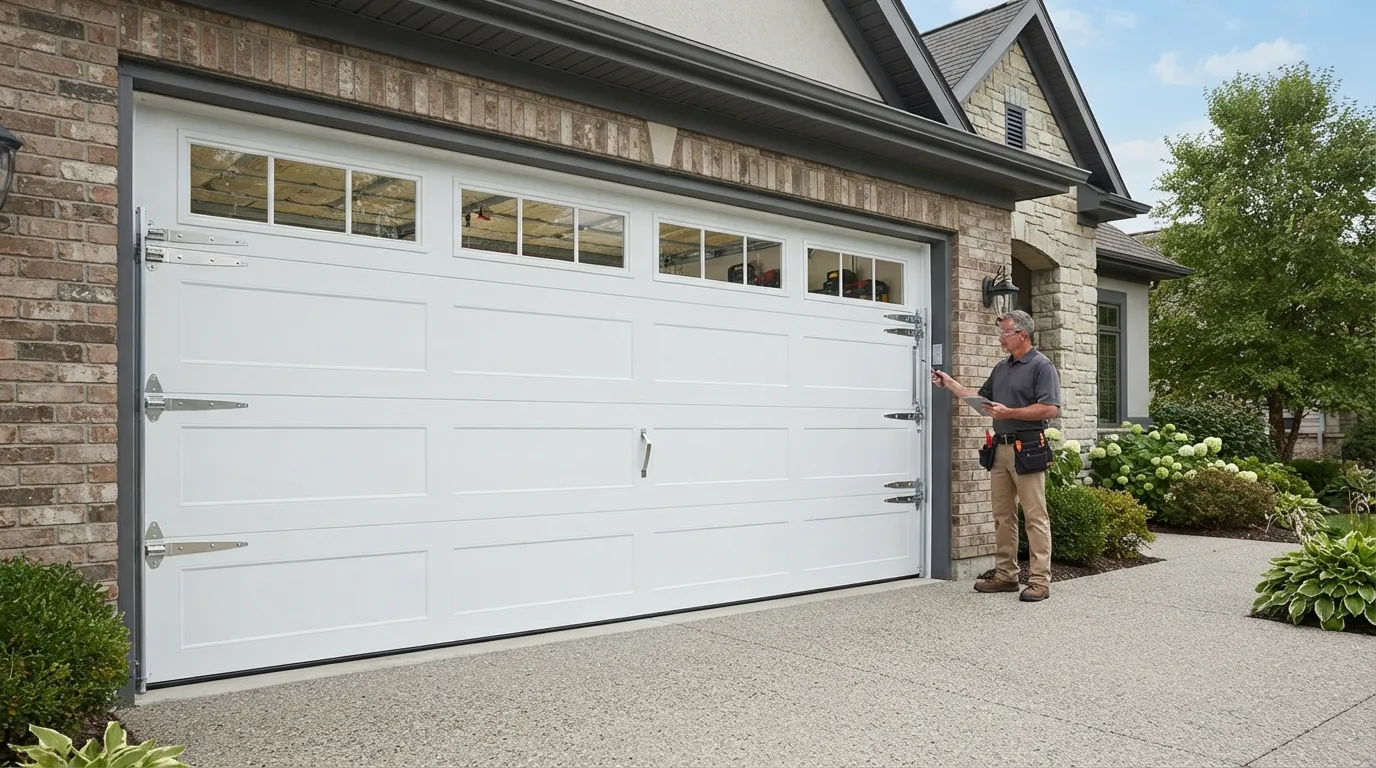
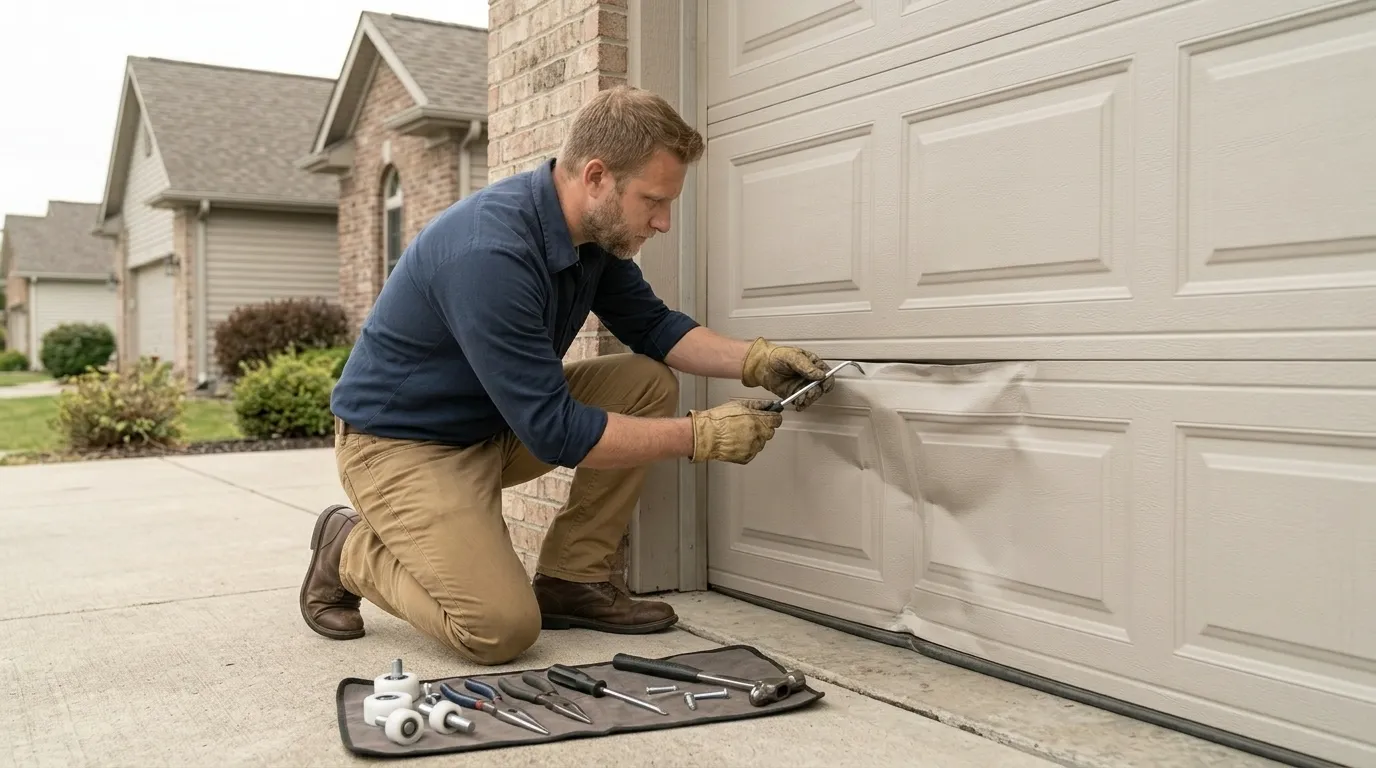
Most houses around here went up between 1958 and 2010, with the median build year sitting at 1979, which puts a lot of original torsion hardware well past its rated cycle count. Across the 32 named areas that make up this stretch of the metro, the bulk of that stock dates to the 1960s and 70s - steel doors, single-torsion springs, and openers sized for a lighter insulation code than what gets built today. None of that was made to run forever, and nobody swaps a spring on a schedule; they run it until it breaks.
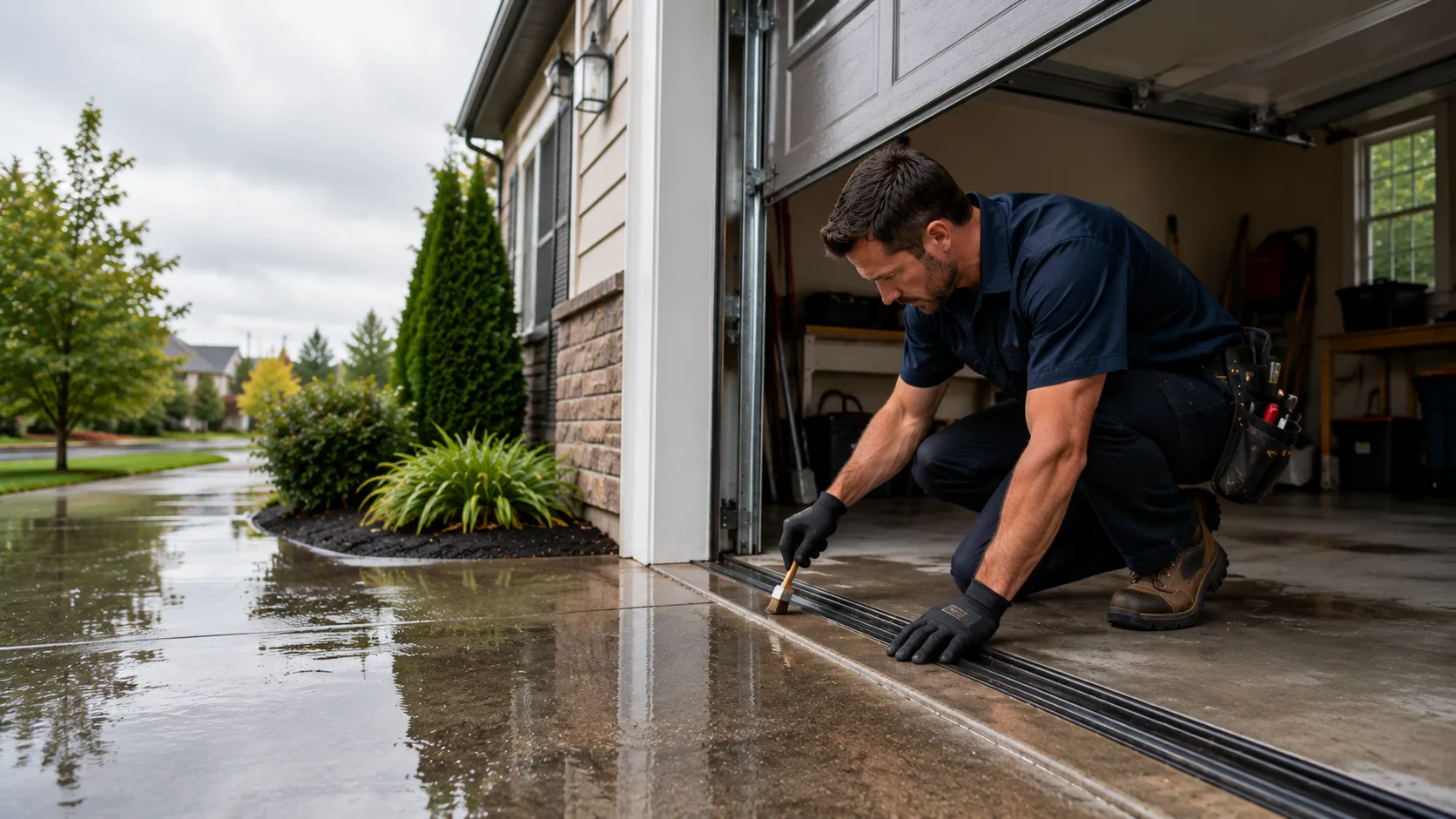
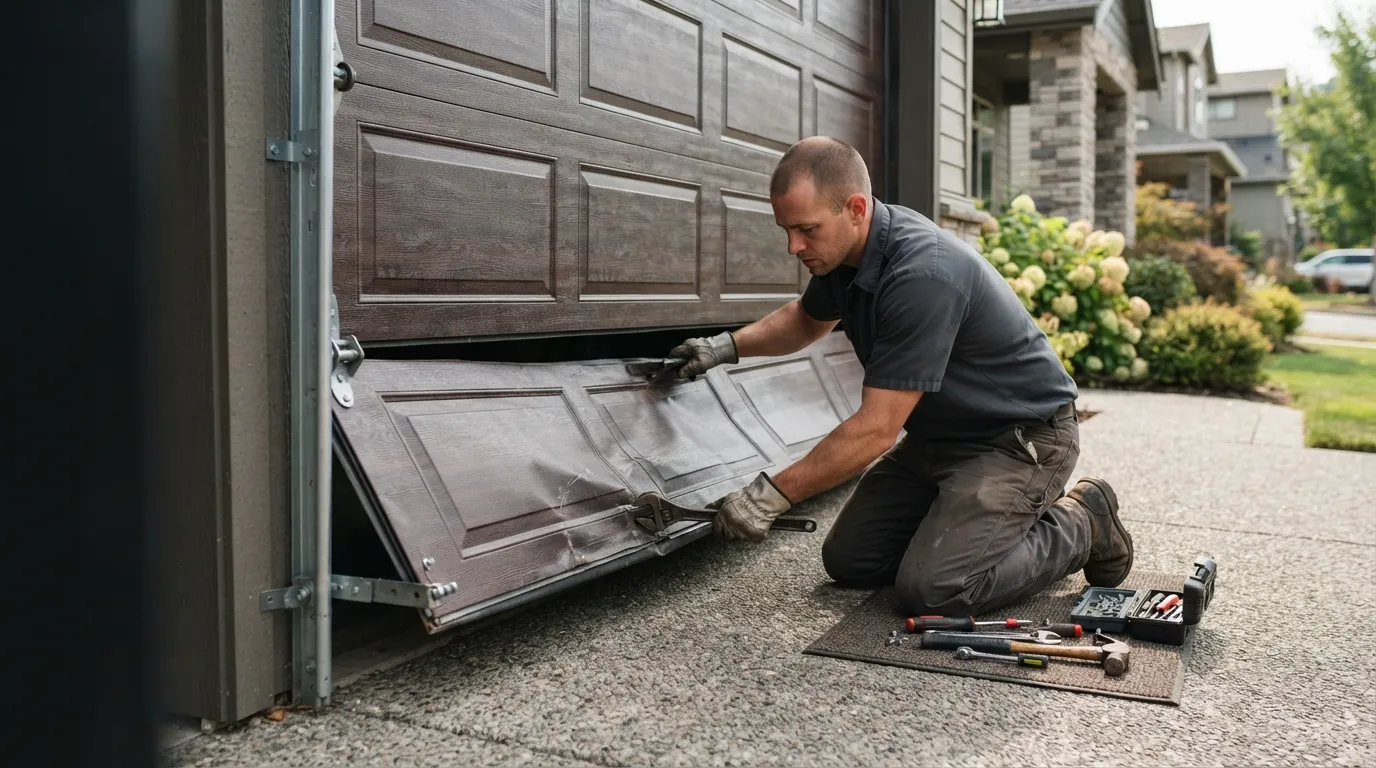
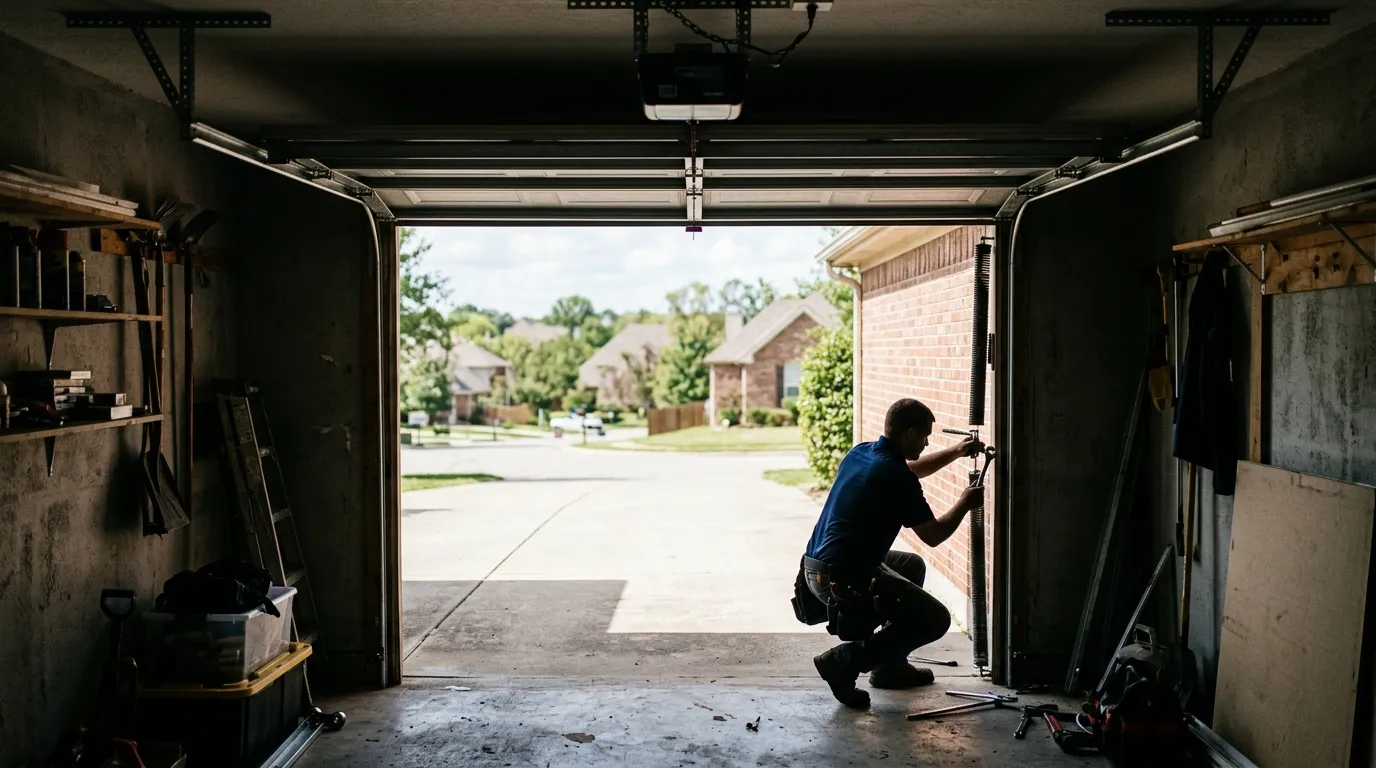
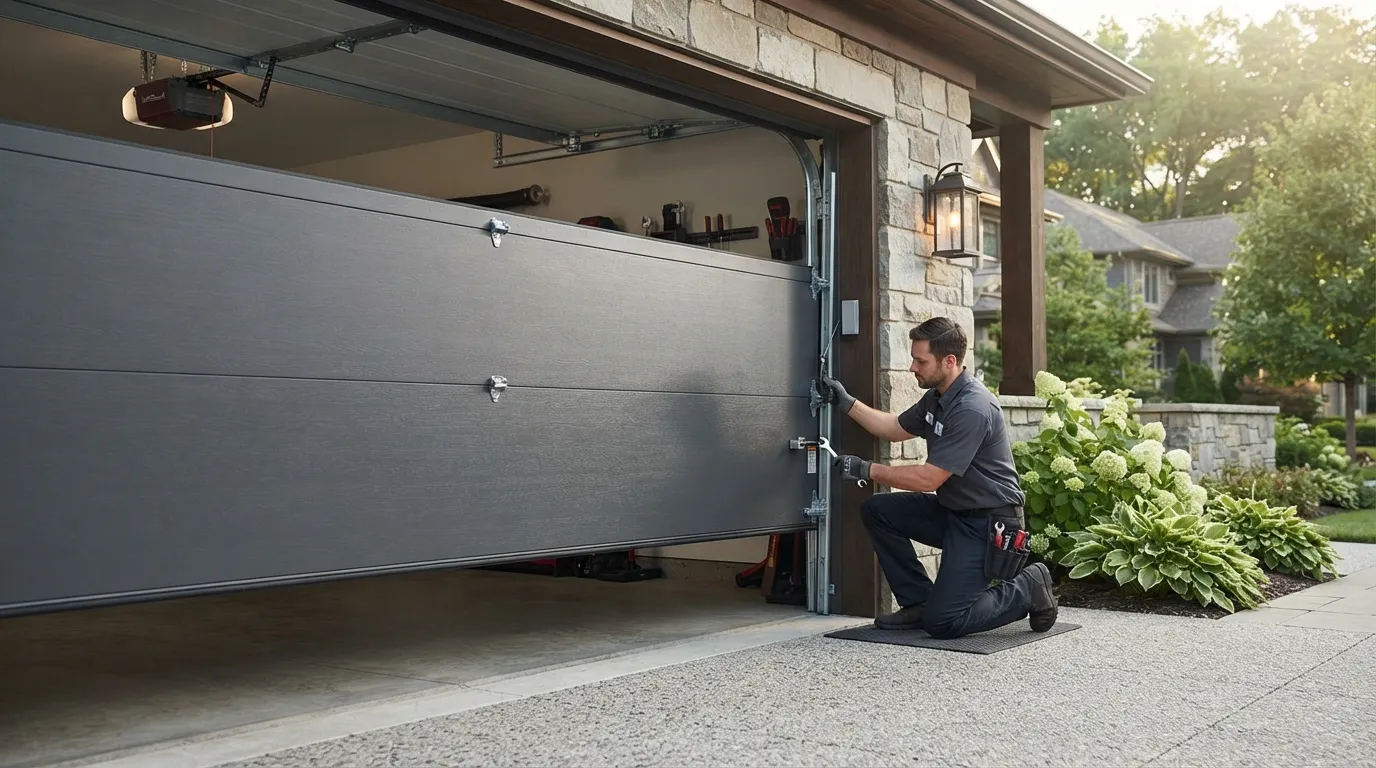
Thornton sits in a cold-severe climate band, and that matters more than people think. Grease made for a garage that hits 70 degrees in July does not behave the same at 5 below in January. It stiffens, the spring loses some of its stretch, and the extra load transfers straight to the cable and the drum. That's the failure you see most in a house built during this stretch: not a dead opener, but a spring that's been fighting the cold for forty winters and finally lets go. Newer builds in the same area, post-2000, tend to have better-sealed openers and lighter doors, so they show a different set of problems - this section is about the older majority.