
Era determines mechanical complexity
What we can tell you is that Westminster homes, with a median build year around 1987, usually have simpler mechanical setups than the newer construction closer to town, which keeps labor time down.
Westminster, Thornton
Openers in Westminster homes built around 1987 are hitting end of life together. We install new units from our Thornton shop, 7 miles out, matched to your door and track.
Timing
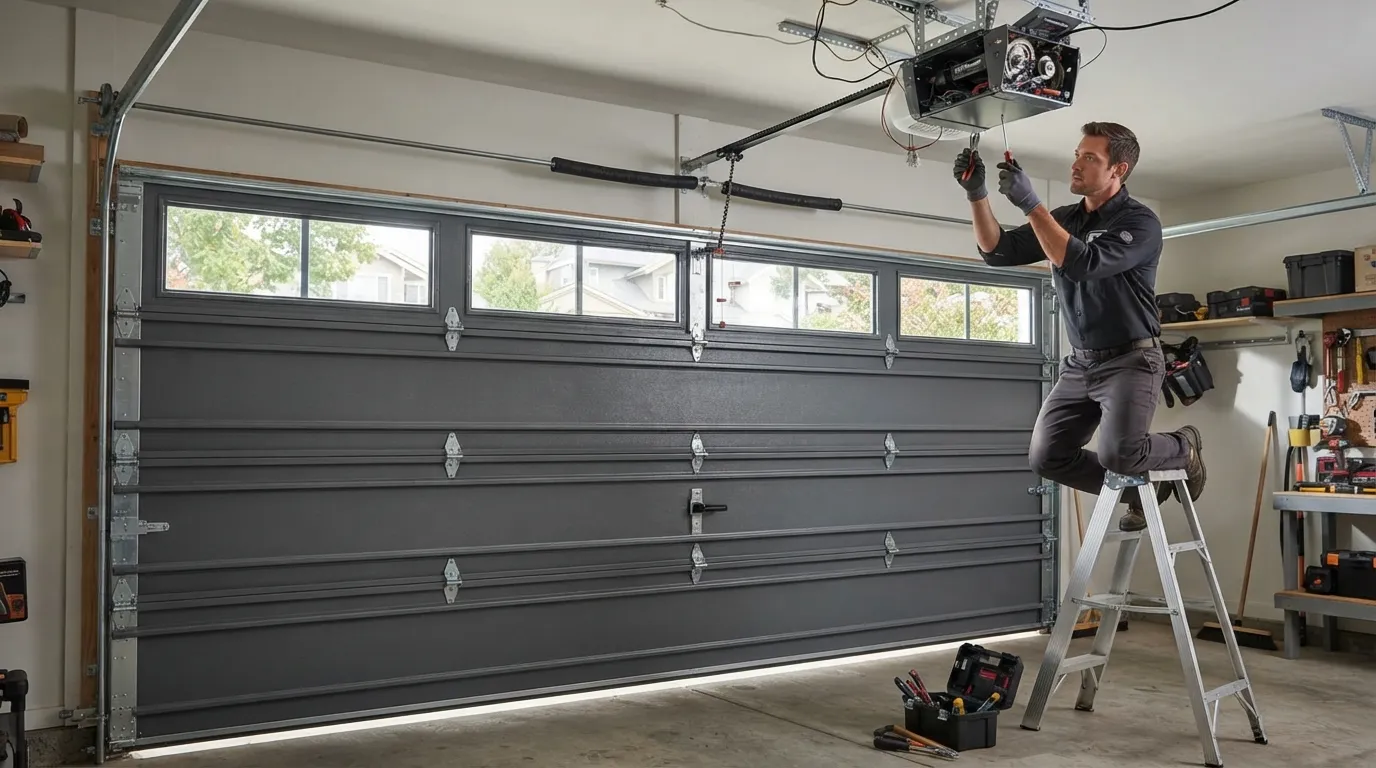
Most Westminster openers we're asked to replace are chain-drive units that came with the house or got swapped in during the 1990s. Pulling the old motor head off the rail, mounting a new unit, running the wiring to the wall control and safety sensors, and testing travel limits takes a couple hours for a straightforward swap on an existing rail and bracket setup.
It runs longer when the bracket that ties the rail to the header is rotted, cracked, or was never rated for the door weight in the first place - not uncommon on houses from the late 1980s where the opener was an afterthought added a few years after the house went up. We also budget extra time if your safety sensors were never installed correctly, since a lot of openers from that era predate the photo-eye requirement and got retrofitted later, sometimes badly. We check that before we call the job done, not after.
Pricing
We don't post a number here because the cost swings on what's already on your door - torsion or extension spring setup, single or double door, whether your existing rail and track are worth keeping.
What we can tell you is that Westminster homes, with a median build year around 1987, usually have simpler mechanical setups than the newer construction closer to town, which keeps labor time down.
What raises the cost is almost always the bracket and header work, not the opener itself. We'll give you the real number after we look at your door in person, not over the phone.

DIY or pro
You can hang a new opener yourself if you've done it before and have a second set of hands for the rail. The parts that trip people up on a 1987-era door are the ones you can't see from the box: header brackets rated for a different door weight than what's currently hanging, and wiring for safety sensors that was patched in after the fact instead of run to code.
We've seen plenty of Westminster garages where a previous owner added an opener to a door that was never drilled for it, using whatever hardware was on hand at the time. If your header is solid wood, not a doubled-up 2x with backing, and your existing sensors already work, a DIY swap is reasonable. If you're not sure which you have, that's the part worth paying someone to check before the new motor goes up on bad hardware.
Watch-outs
The most common call we get from this area is a motor that runs but the door won't move - usually a stripped gear inside the unit, which is a symptom of age more than misuse, and it shows up in force on houses built in the late 1970s through late 1980s where the original opener is still limping along decades past its expected life.
Second most common: a new opener installed on an old, worn track. The motor works fine, but the door binds or reverses on its own because the rollers and track are shot.
Swapping the opener without addressing the track just moves the failure point somewhere else. We flag this before install, not after the customer calls back.
Local causes
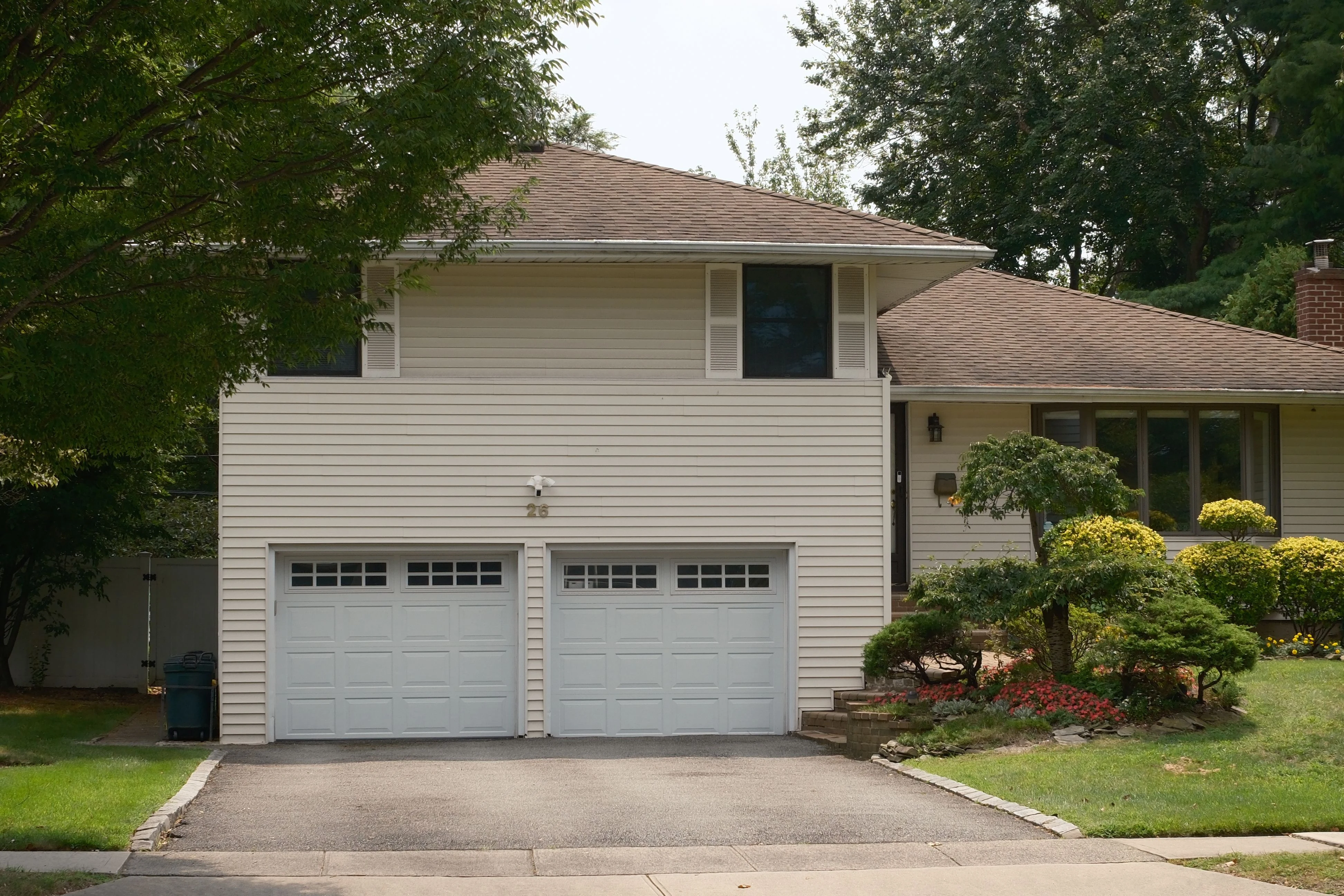
Westminster's housing stock centers on 1987, which puts a lot of openers here at 25 to 35 years old if they were never replaced - well past the point most manufacturers rate the motor and gear set for. Add Colorado's cold winters, and grease inside older gear housings stiffens up, which is part of why so many of these units start slipping or stalling in the cold months before they fail outright in summer.
We travel the 7 miles from our Thornton shop for these jobs regularly. We don't keep a branch or drop box in Westminster - every job runs off the same trucks and stock we use in Thornton, which means we bring what we expect to need based on what we see when we look at the door, not a guess.
On the truck
For opener jobs we carry standard chain and belt-drive units, replacement header brackets in a couple of common sizes, wiring and safety sensor kits, and the rail hardware that most often fails alongside an old motor - rollers, hinges, and end bearing plates. What we don't stock is a full range of proprietary remote and keypad systems for every brand ever sold; if you want to match a specific manufacturer's smart-home ecosystem, we'll tell you upfront whether we're carrying it or need to order it, rather than sell you on something we don't have with us.

Questions
If it's an original unit from a house built in the late 1970s or 1980s, repair usually isn't worth it. Gear sets and circuit boards from that era are near or past end of life, and parts availability gets thin. We'll check the motor and gearing first, but for most houses this age, replacement is the honest answer.
No. We run out of Thornton, about 7 miles away, and travel to Westminster jobs on the same trucks we use everywhere else in the service area. There's no separate local stock or drop-off point here.
Sometimes, but not always. If your rollers and track are worn, a new motor won't fix a door that binds or reverses on its own. We check the track condition before install and tell you if it needs attention alongside the opener.
Not always. A lot of openers from the 1980s and 90s got their photo-eye sensors added after the door was already in use, sometimes without proper wiring or alignment. We test sensor function as part of every opener install, regardless of what's already there.
Explore more
Ready when you are
Thornton Garage Door Pros repairs and installs garage doors, springs and openers in Thornton, CO and the surrounding area.