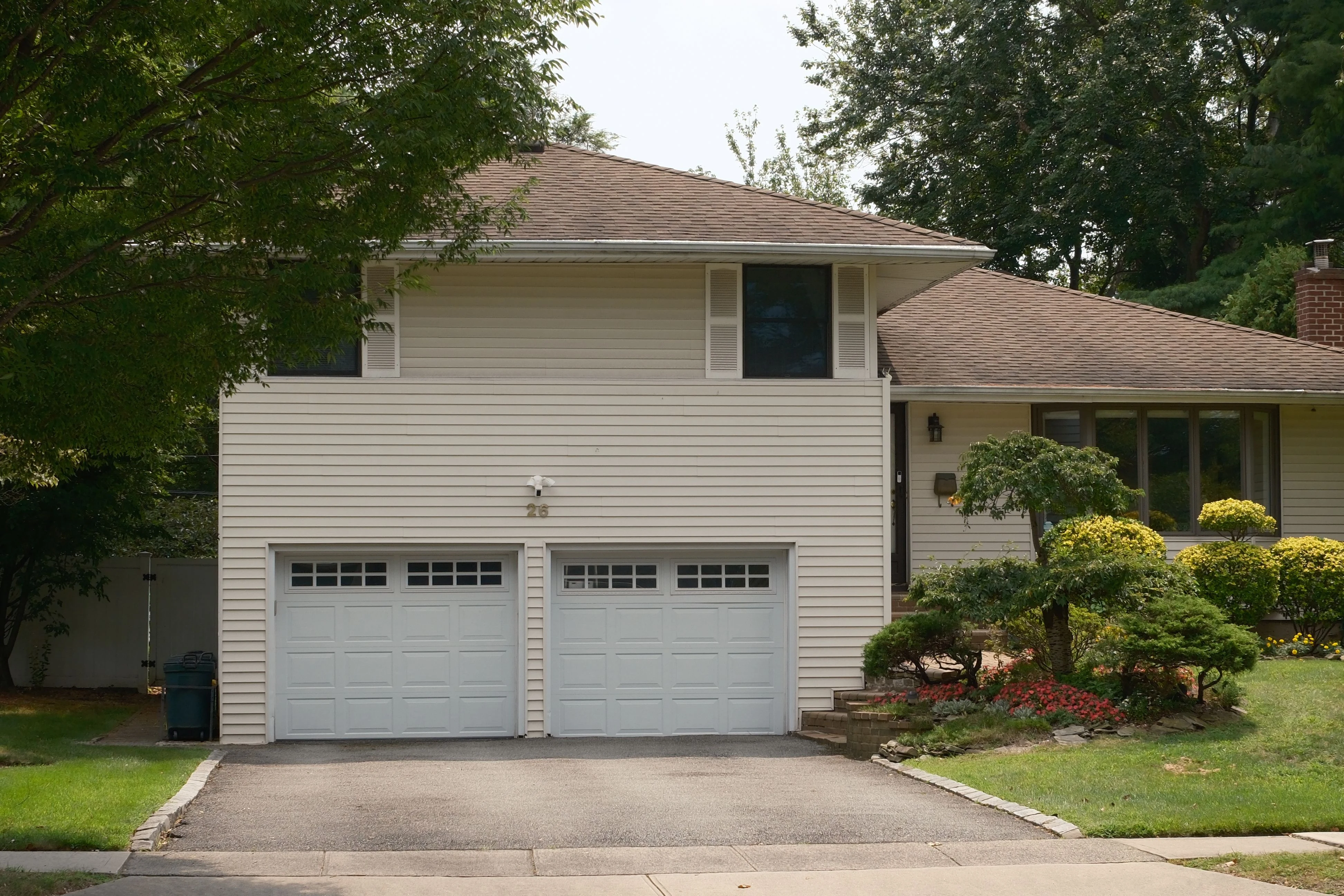
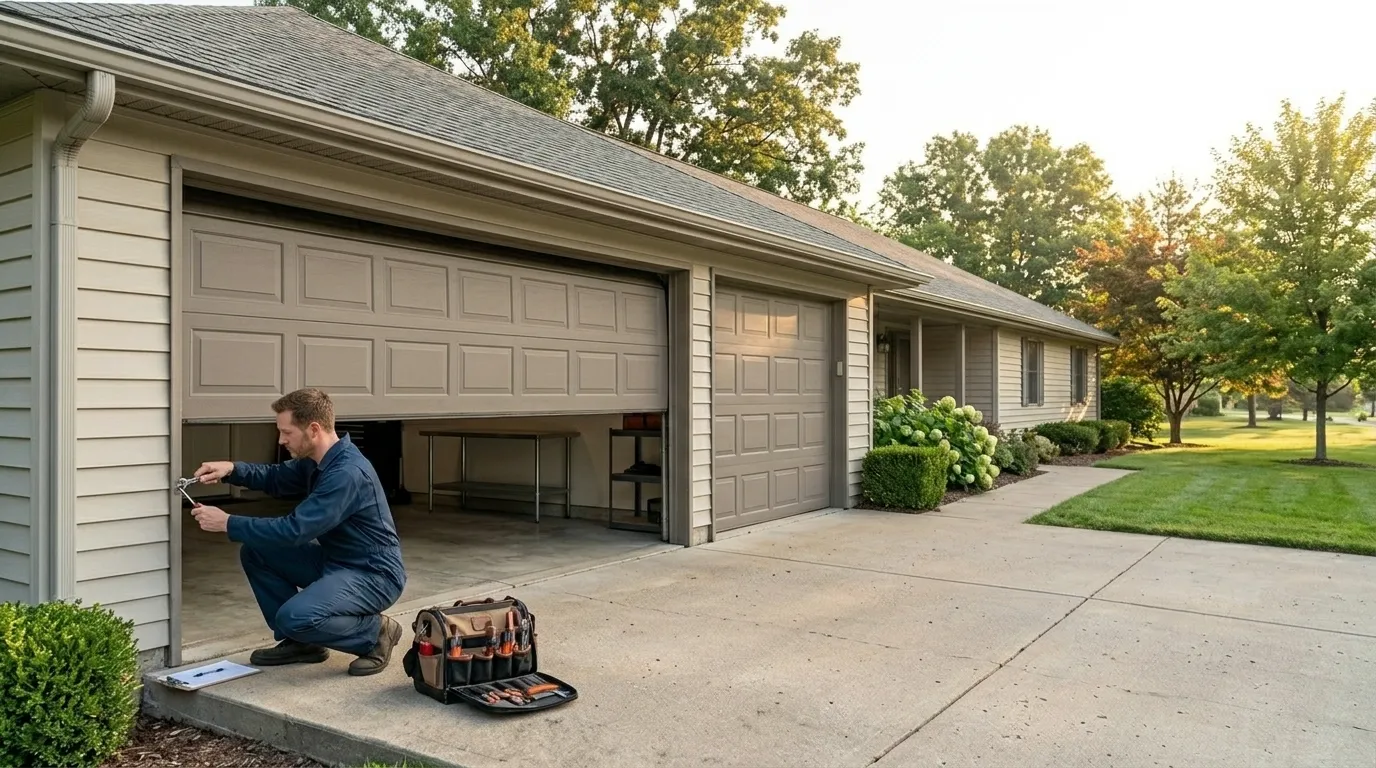
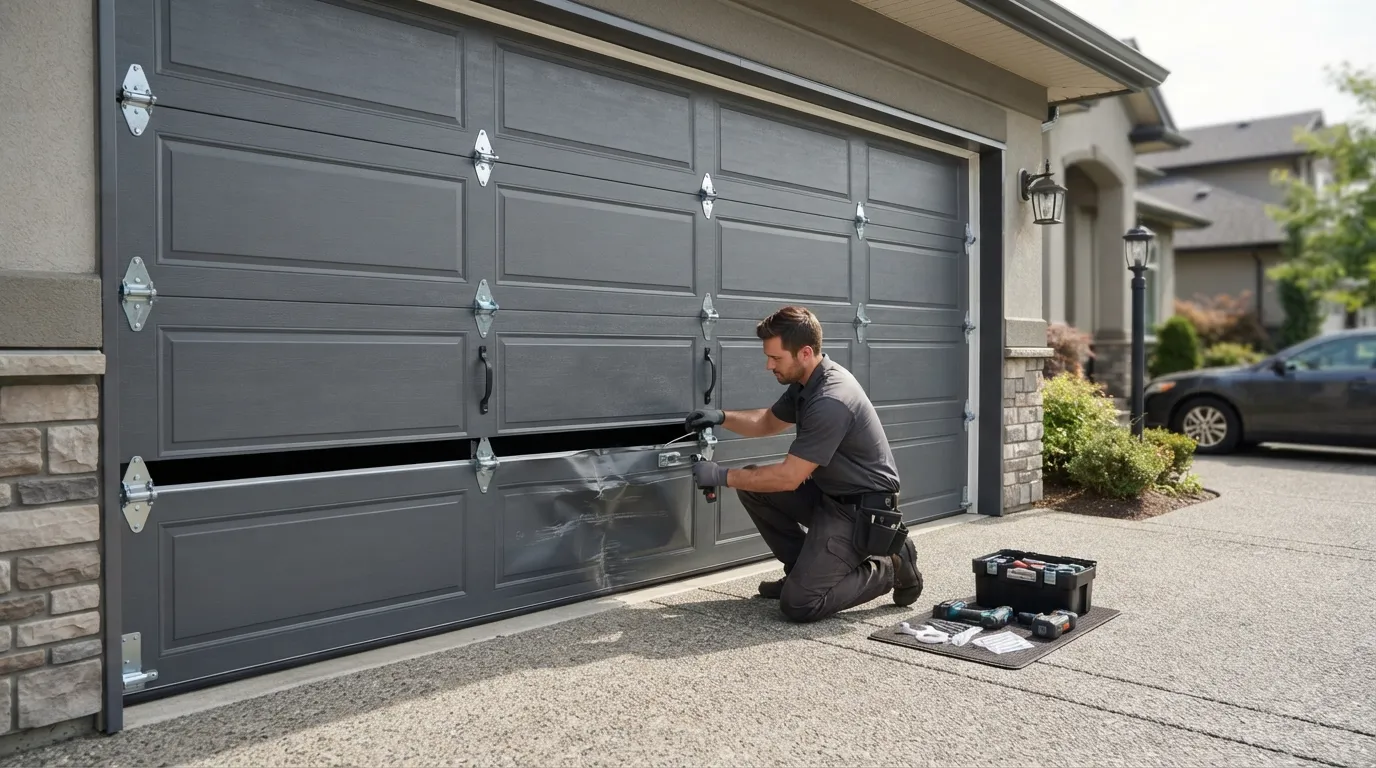
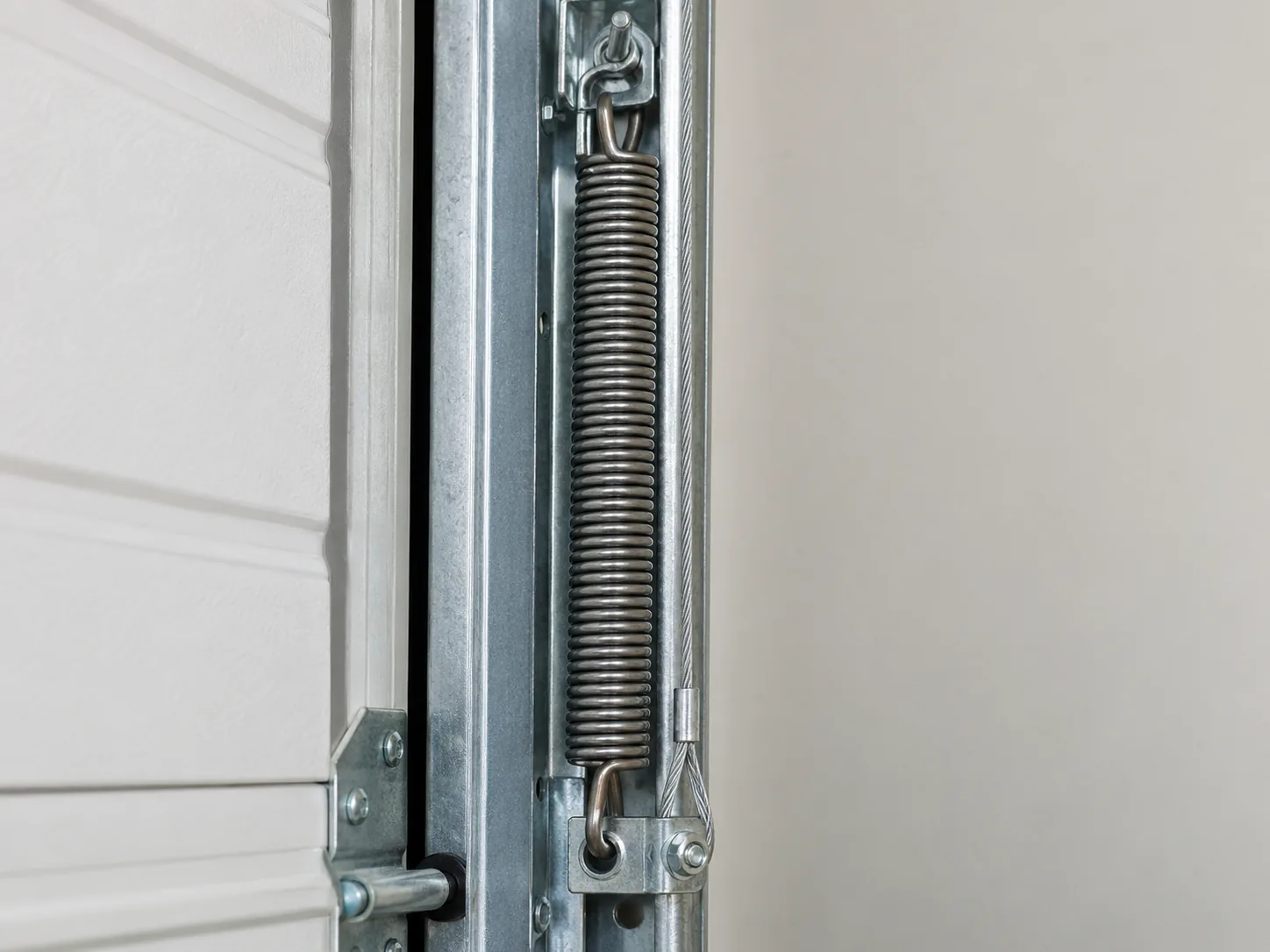
A straight opener swap on a house this age usually means matching the new unit to hardware that's older than the opener itself: original track mounting points, a header bracket sized for a lighter door, and in some cases extension springs instead of the torsion setup newer builds use. We check that fit before we order anything, because a modern opener bolted onto mismatched hardware just shifts the failure point somewhere else in the system.
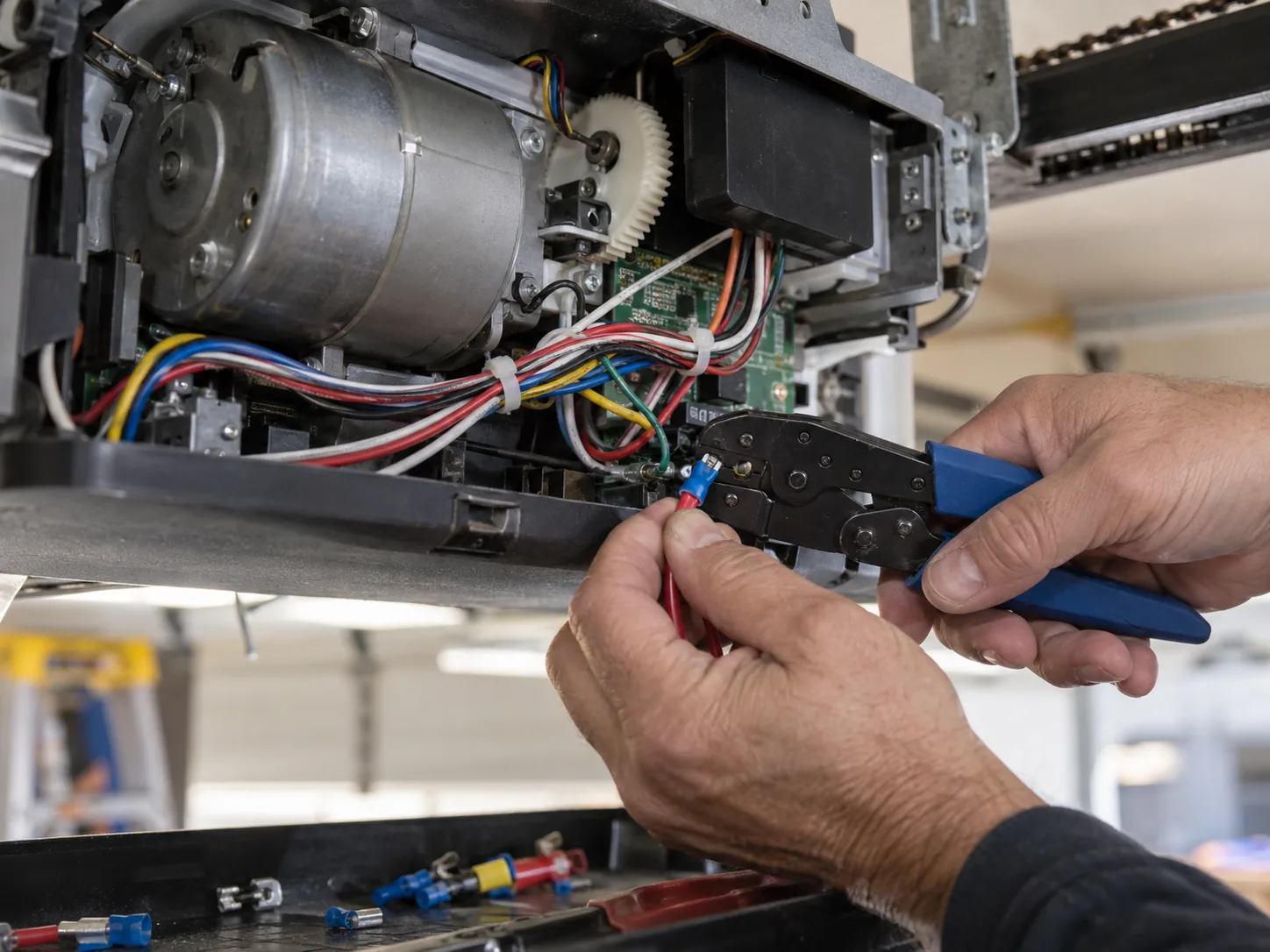
The install itself is a half-day job in most cases: mount the new motor unit, run fresh rail, wire the wall control and photo eyes, and set travel limits and force settings to the actual weight of your door, not a factory default. If your door has been resprung or replaced since the house was built, we adjust for that rather than assuming 1974 specs still apply. We also test the auto-reverse function before we leave, since that's the one safety feature every opener install has to get right.